
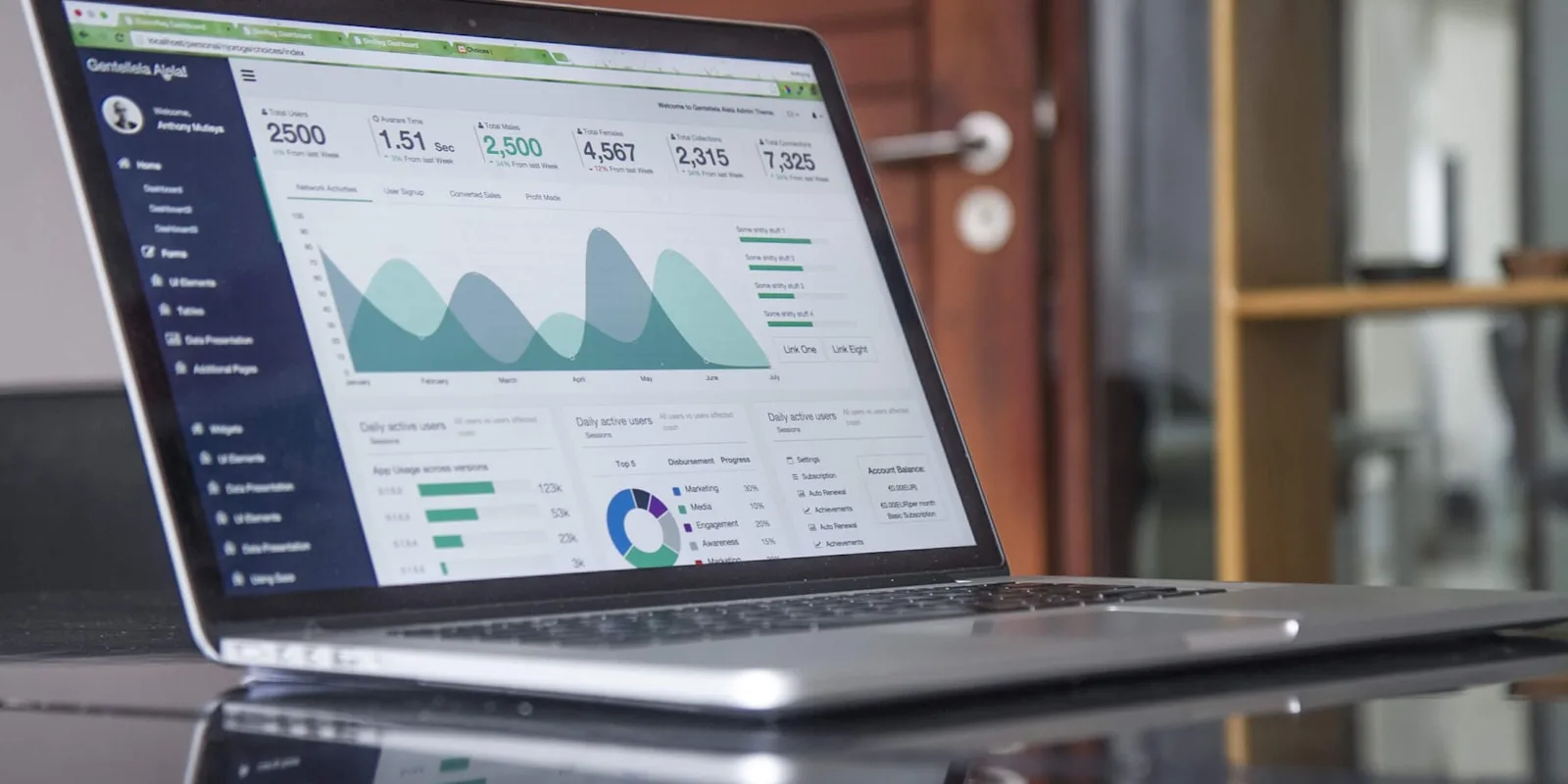
Marketing teams today drown in data but starve for insights. You have analytics dashboards, social listening tools, and competitor trackers – yet connecting the dots feels impossible. That's where marketing intelligence tools come in. They don't just collect data; they transform external market signals into actionable strategy.
This guide breaks down what marketing intelligence tools actually do, which ones matter for e-commerce, and how to choose the right solution for your team.
What Are Marketing Intelligence Tools?
Marketing intelligence tools collect, analyze, and visualize external data about your market, competitors, and customers. Unlike internal analytics (which tracks what happens on your website), these tools monitor what happens outside your walls:
- Competitor campaign tracking – When rivals launch promotions, change messaging, or enter new channels
- Market trend analysis – Emerging keywords, shifting consumer interests, seasonal patterns
- Pricing intelligence – Competitor price changes, discount strategies, promotional timing
- Share of voice monitoring – How your brand performs against competitors in search and social
The best tools don't just report data. They reveal timing – when to act, when to wait, and when competitors are vulnerable.
Types of Marketing Intelligence Tools
1. SEO & Search Intelligence
Best for: Understanding what customers search for and how competitors rank
Tools like SEMrush and Ahrefs dominate this space. They track keyword rankings, backlink profiles, and content gaps. For e-commerce, search intelligence reveals:
- Which product categories are trending
- Competitor content strategies that drive traffic
- Untapped keyword opportunities
- SERP feature changes (featured snippets, shopping results)
Limitation: These tools show what ranks, not when competitors adjust their strategy.
2. Social Listening Platforms
Best for: Brand reputation and real-time trend detection
Brandwatch, Brand24, and Mention monitor social conversations across platforms. They capture:
- Sentiment shifts about your brand or products
- Emerging customer pain points
- Competitor campaign reactions
- Influencer activity in your space
For e-commerce teams, social listening spots product issues before they explode and identifies user-generated content opportunities.
3. Website Traffic & Benchmarking
Best for: Understanding competitor performance and market share
Similarweb provides traffic estimates, engagement metrics, and channel breakdowns for any website. Use it to:
- Benchmark your traffic against competitors
- Identify which channels drive rival growth
- Spot seasonal traffic patterns
- Analyze geographic market penetration
Caveat: Traffic estimates are directional, not precise. Use them for trend analysis, not absolute numbers.
4. Competitive Campaign Intelligence
Best for: Tracking competitor marketing activities holistically
This is where Reyo operates. Unlike point solutions, campaign intelligence tools monitor the full competitive landscape:
- Email campaigns your competitors send
- Landing pages they launch
- Social ads they run
- Promotional timing and messaging
- Content publication schedules
Reyo makes external market factors visible – not as isolated data points, but as a coherent competitive narrative.
5. Market Research Platforms
Best for: Strategic planning and enterprise decisions
Gartner, Statista, and AlphaSense provide macro-level market data. These suit larger e-commerce operations making strategic bets on:
- New market entry
- Category expansion
- Investment decisions
- Long-term trend forecasting
How to Choose the Right Tool
For Small E-Commerce Teams (1-5 marketers)
Priority: Simplicity and immediate value
Start with SEMrush or Ahrefs for SEO intelligence, plus Brand24 for social listening. These cover 80% of intelligence needs without overwhelming your team.
Budget: $200-500/month total
For Mid-Size Operations (5-20 marketers)
Priority: Integration and workflow
Add Similarweb for benchmarking and consider a competitive intelligence platform like Reyo. The key question: Do you need to track what competitors do, or when and why they do it?
If timing matters – knowing when competitors launch campaigns so you can counter or avoid conflict – campaign intelligence becomes essential.
Budget: $500-2,000/month
For Enterprise E-Commerce
Priority: Comprehensive coverage and customization
Combine multiple tools: SEO intelligence + social listening + campaign tracking + market research. Consider custom integrations through platforms like Adverity to centralize data.
Budget: $2,000+/month
The Campaign Intelligence Difference
Most marketing intelligence tools answer: "What are competitors doing?"
Campaign intelligence asks: "What are competitors planning, and when?"
This distinction matters for e-commerce because:
- Timing beats tactics – Knowing a competitor will launch a promotion next week matters more than knowing they ran one last month
- Context reveals strategy – Isolated data points mislead; campaign patterns reveal true competitive positioning
- Proactive beats reactive – Anticipating competitor moves lets you plan counters, not scramble responses
Campaign intelligence, not just calendars. Traditional marketing calendars plan your activities. Campaign intelligence monitors theirs.
Common Mistakes When Using Marketing Intelligence Tools
1. Data Hoarding Without Action
Collecting competitor data feels productive. It's not. Set clear rules: If data doesn't change a decision within 30 days, stop collecting it.
2. Ignoring Small Competitors
Big competitors get attention, but agile small players often signal emerging trends first. Monitor the long tail, not just category leaders.
3. Over-Reliance on Single Tools
No tool captures everything. Cross-reference insights across platforms. If SEMrush shows a traffic spike and Brandwatch shows buzz, investigate the connection.
4. Missing the Human Element
Tools provide data; humans provide judgment. The best intelligence teams combine automated monitoring with analyst interpretation.
How Reyo Fits Into Your Intelligence Stack
Reyo specializes in competitive campaign intelligence – the layer most tools ignore.
While SEO tools track rankings and social tools track mentions, Reyo tracks the coordination of competitor activities:
- When email campaigns align with landing page launches
- How promotional timing varies by channel
- Which messaging themes persist across campaigns
- Where competitors concentrate resources (and where they don't)
Weniger manuelle Recherche, mehr Klarheit. Instead of checking ten different tools to piece together competitor strategy, Reyo presents the complete competitive landscape in one view.
For e-commerce teams, this means:
- Smarter campaign timing – Launch when competitors are quiet
- Better budget allocation – Invest where competition is weak
- Faster response times – Spot competitive threats before they impact revenue
- Strategic confidence – Make decisions based on complete market visibility
Getting Started with Marketing Intelligence
Week 1: Audit Your Current Visibility
List every competitor activity you currently track. Gaps reveal intelligence priorities.
Week 2: Select Your Core Tools
Choose 2-3 tools maximum. Master them before expanding.
Week 3: Establish Review Rhythms
Intelligence decays. Set weekly competitive reviews and monthly strategy sessions.
Week 4: Connect Intelligence to Action
Every insight needs an owner and a deadline. Intelligence without action is expensive noise.
Conclusion
Marketing intelligence tools have evolved from nice-to-have to essential for competitive e-commerce. The question isn't whether to invest in intelligence – it's which layers matter most for your business.
Start with search and social intelligence. Add campaign intelligence when timing and competitive coordination become critical. And remember: The best tool is the one your team actually uses.
Ready to see your competitive landscape clearly? Explore how Reyo transforms external market data into actionable campaign intelligence →
Related Articles:
- What Is Marketing Intelligence? A Complete Guide
- Campaign Planning for E-Commerce: A Data-Driven Approach
- Competitive Analysis Tools: Beyond the Basics
Keywords: marketing intelligence tools, competitive intelligence software, campaign tracking, e-commerce marketing tools, competitor analysis platforms